Key Takeaways
Backyard Landscaping Bonita projects work best when you plan around slope and drainage, sun exposure, and realistic use zones, then match hardscape, hydrozones, and plants to Bonita’s warm, dry summers and bursty storms. Defining priorities early—and phasing the build—helps reduce rework while keeping water use and maintenance predictable.
- Site-first planning prevents surprises: Evaluating grade, runoff paths, sun/heat exposure, and soil condition early helps avoid issues like pooling near patios or water draining toward the home, and it guides where regrading, drains, or permeable surfaces should come before new planting.
- Design around hydrozones and plant layers: Grouping plants by water needs and building the palette in layers (trees, shrubs, perennials/grasses, groundcovers) supports year-round structure with less waste, while mixing natives and non-natives requires care because many natives prefer less summer water once established.
- Control cost with “bones first” phasing: Budgets are most affected by grading/drainage, retaining walls and steps, hardscape square footage, lighting/electrical, irrigation upgrades, and plant maturity, so installing drainage, core patio/path layout, and irrigation zones first—and adding plants and upgrades later—keeps scope more predictable.
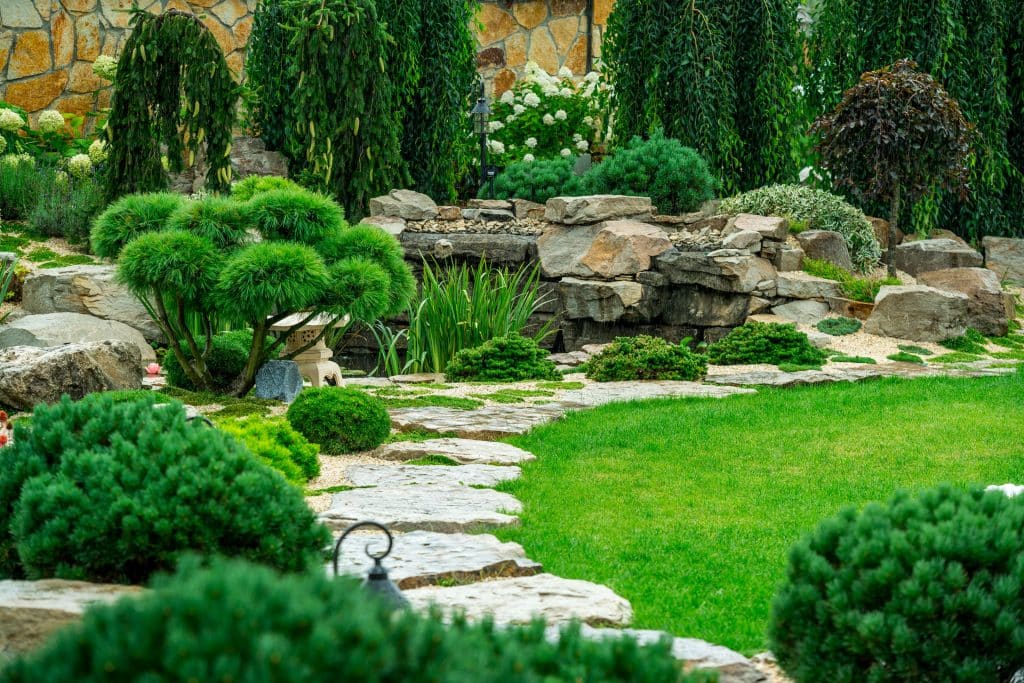
Backyard Landscaping Bonita projects work best when they’re designed around San Diego County’s dry summers, mild winters, and ongoing water-use considerations. A successful plan typically starts with the site’s slope and drainage, sun exposure, soil condition, and how you’ll use the space—entertaining, play areas, pets, or a low-maintenance retreat.
In Bonita, practical choices like drought-tolerant planting, efficient irrigation (such as drip), and permeable hardscapes can reduce runoff and keep maintenance predictable. Costs are most affected by grading, retaining walls, patios, lighting, irrigation upgrades, and the maturity/quantity of plants, so a clear scope and phased approach can help manage a budget without sacrificing function.
This guide covers layout and style ideas, common cost drivers, and plant selection strategies suited to a warm, dry climate, including native and Mediterranean-type options that handle heat and periodic drought. You’ll also learn how to balance privacy, shade, and year-round curb appeal while keeping upkeep and water use in check.
How to Plan Backyard Landscaping in Bonita (Before You Build)
A smart Backyard Landscaping Bonita plan starts with a few on-site realities—slope, sun, soil, and how you’ll actually use the yard—so your layout, materials, and plants perform well year-round.
Begin by mapping your “must-haves” (seating, lawn, garden, play area, pets, storage) and the constraints (drainage paths, neighbors’ sightlines, utility locations). In Bonita’s warm, dry summers, planning also means deciding early where you want irrigated zones versus low-water zones, because that choice affects grading, irrigation design, and plant selection.
Do a quick site check: grade, drainage, and exposure
Most design and cost surprises come from water movement and elevation changes, so it’s worth evaluating these first.
- Slope and runoff: Identify where water enters/exits the yard during rain. If you see pooling near patios or the home, prioritize regrading, drains, or permeable surfaces before new planting.
- Sun and heat: Note full-sun zones (often hottest) versus afternoon shade. This guides shade trees, pergolas, and heat-tolerant plant placement.
- Soil condition: Many landscapes benefit from targeted soil improvement (especially in planting beds) rather than trying to amend the entire yard.
- Access and storage: Decide where bins, garden tools, and pool equipment will live so they don’t become visual clutter later.
Define how you want to live in the space
Function-first layouts tend to stay enjoyable and lower maintenance, even as plants mature and seasons change.
- Entertaining: Plan a main gathering surface (patio/deck) with a clear path to the kitchen and enough circulation around seating.
- Kids and pets: Consider durable groundcovers, a rinse-off area, and a defined “run” path to reduce worn patches.
- Quiet retreat: Use screening plants, a water-wise shade tree, and a small focal point (feature pot, specimen plant, boulder grouping).
- Garden space: Place edibles where they get reliable sun and convenient access to water, and keep them separate from low-water ornamental zones.
Design Styles That Fit Bonita’s Climate and Architecture
Choosing a style helps you narrow plants and materials, creating a cohesive look that still meets drought and maintenance goals.
Backyard Landscaping Bonita projects commonly lean toward clean-lined hardscapes and water-wise plant palettes, but the “right” style depends on your home’s architecture, your tolerance for leaf drop, and how much color you want throughout the year.
Water-wise Mediterranean and California-native looks
These styles pair naturally with heat-tolerant plants, gravel or mulch beds, and fewer thirsty turf areas.
- Mediterranean-inspired: Think warm-toned pavers, decomposed granite paths, herbs, and flowering shrubs with long bloom cycles.
- California-native: Emphasizes habitat value and seasonal interest; many natives prefer deep, infrequent watering once established.
- Modern drought-tolerant: Strong geometry, boulders, architectural succulents, and streamlined planting beds.
If you want year-round structure, combine evergreen shrubs with a few seasonal bloomers rather than relying on flowers everywhere. Also consider mature plant size—overcrowding quickly increases pruning needs and irrigation demand.
Hardscape Choices: Patios, Paths, and Permeable Surfaces
Hardscapes shape how you move through the yard, and they’re a major driver of long-term maintenance and water behavior.
Because summer is dry but storms can arrive in bursts, Bonita backyards often benefit from thoughtful drainage planning paired with surfaces that reduce runoff. A well-laid patio and path system can also reduce “random foot traffic” that compacts soil and damages planting beds.
Permeable options and where they make sense
Permeable materials can help manage rainfall, but performance depends on base preparation and site conditions.
- Decomposed granite (DG): Natural look for paths and lounging areas; needs proper edging and compaction to avoid migration.
- Gravel with stabilizers: Good for side yards and utility zones; choose a comfortable size for walking and consider weed control strategy.
- Permeable pavers: Durable and polished; requires correct base layers so water infiltrates rather than pooling.
- Mulch in planting beds: Reduces evaporation and moderates soil temperature; refresh periodically.
For safety and usability, keep transitions smooth (especially between patio and lawn) and include lighting along steps and key turns.
| Backyard Element | Best Use Cases | Bonita Planning Notes |
|---|---|---|
| Decomposed granite (DG) paths | Casual walkways, seating nooks, side-yard access | Needs edging and a compacted base to reduce tracking and ruts during storms |
| Concrete or paver patio | Outdoor dining, grilling zones, durable entertaining space | Plan drainage slope away from the home; consider shade structures for summer comfort |
| Mulched planting beds | Shrub borders, tree rings, low-water planting areas | Helps reduce evaporation; keep mulch a few inches away from trunks and crowns |
| Turf (natural grass) | Play areas, pets, cooling effect near seating | Reserve for purposeful zones; match irrigation coverage to lawn shape to avoid overspray waste |
| Gravel utility strips | Along fences, behind sheds, equipment access | Use weed barriers thoughtfully; ensure water can still infiltrate where needed |
Water-Wise Planting: Building a Palette That Looks Good All Year
A successful plant plan balances drought tolerance, seasonal interest, and realistic maintenance, so the yard doesn’t peak for one month and look tired the rest of the year.
Think in layers: shade trees for canopy, shrubs for structure and privacy, perennials/ornamental grasses for movement and color, and groundcovers for weed suppression. Group plants by water needs (“hydrozones”) so irrigation can be targeted rather than one-size-fits-all.
Plant selection strategies that reduce water and pruning
Choosing the right plant for the right place can cut ongoing work more than almost any other decision.
- Prioritize structure: Use a few evergreen shrubs and a small number of specimen plants to anchor the design.
- Limit high-shear hedges: Formal hedges can look great, but they often require frequent trimming and consistent water to stay dense.
- Use groundcovers intentionally: They help suppress weeds, but some spread aggressively if overwatered or planted in the wrong conditions.
- Plan for mature size: Avoid crowding plants “for instant fullness,” which can lead to disease pressure, weak growth, and constant pruning.
If you’re mixing natives and non-natives, be careful with irrigation scheduling. Many California natives prefer less summer water once established, while Mediterranean plants may tolerate (or even benefit from) occasional deep watering in hot periods.
Where drought-tolerant design makes the biggest impact
You don’t need to remove all lawn or all lush plants—target the areas that drive the most water use.
- Convert low-use corners: Replace rarely used turf strips with mulched beds, shrubs, and boulders.
- Use shade to reduce demand: Shade over patios and near windows improves comfort and can reduce heat stress on nearby plants.
- Right-size high-water zones: Keep a smaller, well-irrigated lawn or edible garden if you’ll use it often, and let the rest be low-water.
For readers who want a deeper dive into principles and plant types, landscaping includes an overview of how outdoor spaces are commonly organized and improved.
Irrigation and Drainage: The Hidden System That Protects Your Yard
Efficient irrigation and functional drainage are essential in Bonita, where you want to limit water waste in summer and control runoff during storms.
Even the best plant palette struggles with mismatched sprinklers, overspray onto hardscape, or inconsistent pressure. Likewise, a beautiful patio can become a problem if water drains toward the home or pools in low spots.
Drip vs. spray: matching irrigation to the space
Different irrigation methods solve different problems, and many yards use a mix of both.
- Drip irrigation: Best for shrubs, trees, and planting beds; reduces evaporation and puts water near the root zone.
- Spray or rotating nozzles: Often used for lawn areas; layout and head spacing matter to prevent dry patches and runoff.
- Smart controllers and zoning: Helpful when the yard has multiple microclimates (full sun vs. shade) or mixed plant types.
If your current system is inconsistent or outdated, consider professional Sprinkler Installation & Repair so coverage, zoning, and hardware match your redesigned layout.
Drainage red flags to address early
Drainage fixes are easiest before new hardscape and planting go in, so look for warning signs during planning.
- Soil erosion channels after rain
- Persistent puddles near patios, turf, or planting beds
- Water collecting against the home or along the foundation
- Mulch washing out or gravel migrating downhill
Depending on the cause, solutions may include regrading, adding area drains, building swales, adjusting downspout discharge locations, or choosing more permeable surface designs.
Privacy, Shade, and Comfort: Making the Backyard Feel Like an Outdoor Room
Comfort features like shade and screening often determine how frequently you use the yard—especially on hot summer afternoons.
Instead of relying on a single fix, use a layered approach: structural shade (pergola/umbrella), living shade (trees), and soft screening (shrubs, vines, ornamental grasses). This creates privacy without turning the yard into a high-maintenance hedge maze.
Practical screening options that won’t overwhelm the yard
Privacy can be solved with a blend of plants and built elements, depending on space and sun exposure.
- Layered planting: Combine a small tree with mid-height shrubs to block views while keeping airflow.
- Fence line refresh: Repair leaning panels or gates before adding vines or heavy plantings that can stress weak sections.
- Strategic focal screens: Use a trellis or screen panel near seating zones to block specific sightlines rather than the entire property edge.
When using plants for privacy, plan for access: you’ll need room to prune, check irrigation, and keep plants from pressing against fences.
Common Cost Drivers (and How to Control Them With Phasing)
Landscape budgets vary widely, but most backyard projects are influenced by the same few categories: earthwork, hardscape, irrigation, and plant size/quantity.
To keep Backyard Landscaping Bonita decisions predictable, separate “must solve” items (drainage, access, unsafe trees) from “nice to have” upgrades (decorative walls, premium finishes, mature specimen plants). A phased build can deliver a functional yard sooner while deferring optional additions.
What typically moves the budget the most
These scope items commonly increase labor, materials, and complexity.
- Grading and soil work: Especially on slopes or where drainage corrections are needed
- Retaining walls and steps: Structural work often requires more engineering and precise installation
- Patios and hardscape square footage: More surface area means more base prep and materials
- Lighting and electrical: Adds usability and safety but increases planning and installation requirements
- Plant maturity: Larger plants can create instant impact but raise purchase and installation cost
A simple phasing plan that still looks intentional
Phasing works best when you build the “bones” first, then add finish layers as budget allows.
- Phase 1: Fix drainage, rough grade, set main patio/path layout, and install core irrigation zones.
- Phase 2: Install primary trees and foundational shrubs (structure and privacy first).
- Phase 3: Add secondary plants, lighting, decorative rock/mulch, and upgrades like built-in seating or a fire feature.
Even if you phase planting, install sleeves/conduits under hardscape for future lighting or irrigation changes. It’s far easier (and typically less expensive) than cutting concrete later.
Keeping Maintenance Predictable: What You’ll Do Monthly vs. Seasonally
Low-maintenance doesn’t mean no-maintenance—it means the yard is designed so routine care is simple and doesn’t require constant corrections.
The biggest maintenance wins come from reducing thirsty lawn where it isn’t used, spacing plants for mature size, and selecting materials that don’t shift or spill into beds. It also helps to plan a realistic schedule around your lifestyle and the seasonality of plant growth.
Routine tasks that prevent bigger problems
Small, consistent check-ins help avoid expensive fixes later (like plant loss, broken emitters, or drainage blockages).
- Monthly: Walk irrigation zones to spot clogged emitters, overspray, and dry patches.
- Seasonally: Refresh mulch where it’s thin, prune selectively (avoid over-shearing), and remove weeds before they set seed.
- As needed: Address storm debris and overgrowth so drains, paths, and slopes stay clear.
If your yard is surrounded by slopes or open space, schedule periodic cleanup before growth becomes dense. That’s often easier than trying to catch up after a full season of rain-driven growth.
Bring It All Together: A Backyard Layout That Fits Bonita Living
The most successful backyard landscapes in Bonita balance three things: comfortable outdoor living, efficient water use, and a plant-and-hardscape plan that still looks good years from now.
As you refine your design, aim for a clear circulation path, one or two “destination” zones (like dining and lounging), and planting beds that are grouped by water needs. If you’re unsure where to start, choose one priority—privacy, shade, drainage, or a new patio—and design outward from that anchor so each upgrade supports the next rather than creating rework.
With a thoughtful plan, Backyard Landscaping Bonita projects can stay attractive through hot summers and mild winters while keeping irrigation, pruning, and cleanup manageable for the long term.
Frequently Asked Questions
Ready to Turn Your Bonita Backyard Plan Into a Buildable Layout?
If you’re weighing drought-tolerant planting, patio space, irrigation upgrades, or drainage fixes, a quick professional review can help you avoid costly rework and make sure the design fits how you actually use the yard. Getting clarity on grading, hydrozones, and material choices early often leads to a smoother installation and more predictable maintenance.
Pro Lawn Care of Bonita can help you sort priorities, define a realistic scope, and identify practical next steps—especially when details like runoff paths, sun exposure, or sprinkler coverage could affect long-term results.